Salla Plans and Prices in 2026: Basic, Plus and Pro — Which One Do You Actually Need?
Salla advertises three plans, but the monthly fee is not the real cost. Here is what each plan unlocks, and what gets added on top before your first order arrives.
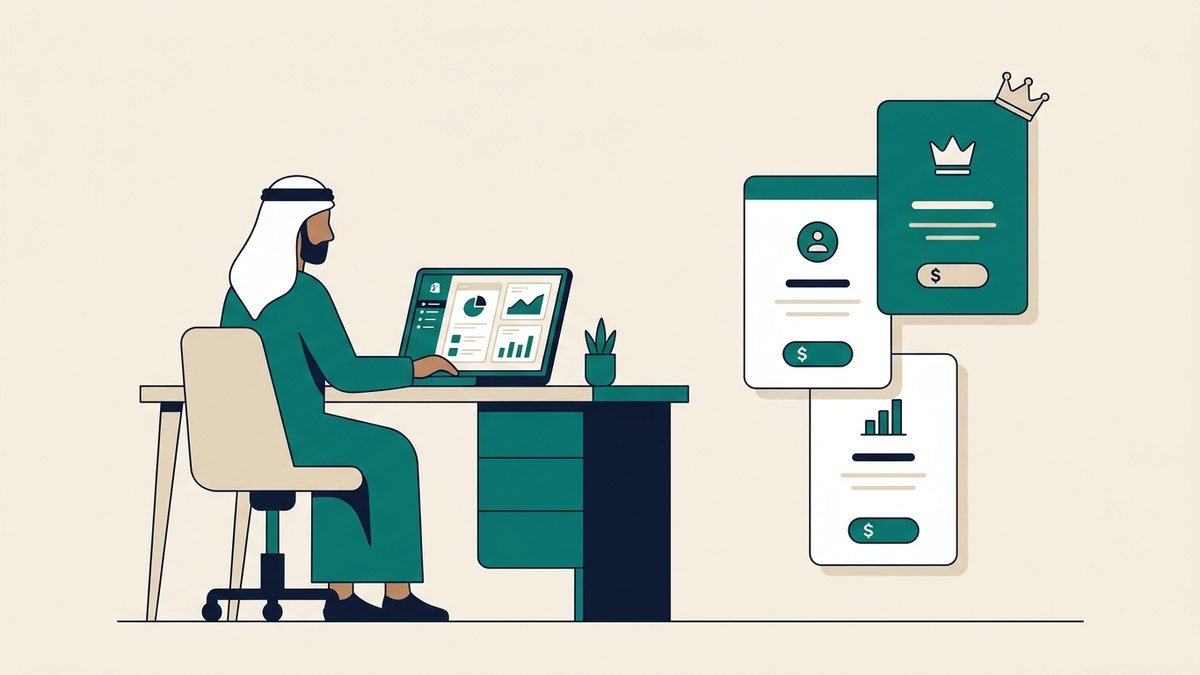
The question we hear most from new merchants is simple: “How much does Salla cost?” The honest answer is that there is no single number. A free plan exists, but many merchants discover two weeks in that what they actually need — online card payments or a custom domain — sits in the next tier up.
So this guide does not just compare prices. It answers the more useful question: which plan fits your stage today, and when does upgrading become an investment rather than an extra bill?
Salla pricing (last checked: October 2026)
| Plan | Monthly | Yearly | Who it is for |
|---|---|---|---|
| Salla Basic | SAR 0 | SAR 0 | Testing an idea and taking the first few orders |
| Salla Plus | SAR 99 | SAR 990 (save SAR 198) | Individual merchants and home businesses selling regularly |
| Salla Pro | SAR 299 | SAR 2,990 (save SAR 598) | Companies and growing stores that need a team and accounting |
| Salla Special | Custom quote | Large merchants needing dedicated infrastructure | |
Two things worth knowing before you rely on these numbers:
- Prices include VAT according to the plans page, but they change with seasonal offers — check the official page on the day you pay, not the day you read this.
- Do not subscribe inside the Salla app on Apple devices. Apple's in-app policy adds up to 30%, which shows Plus at SAR 129 and Pro at SAR 389 instead of 99 and 299. Subscribing through the browser gives you the base price.
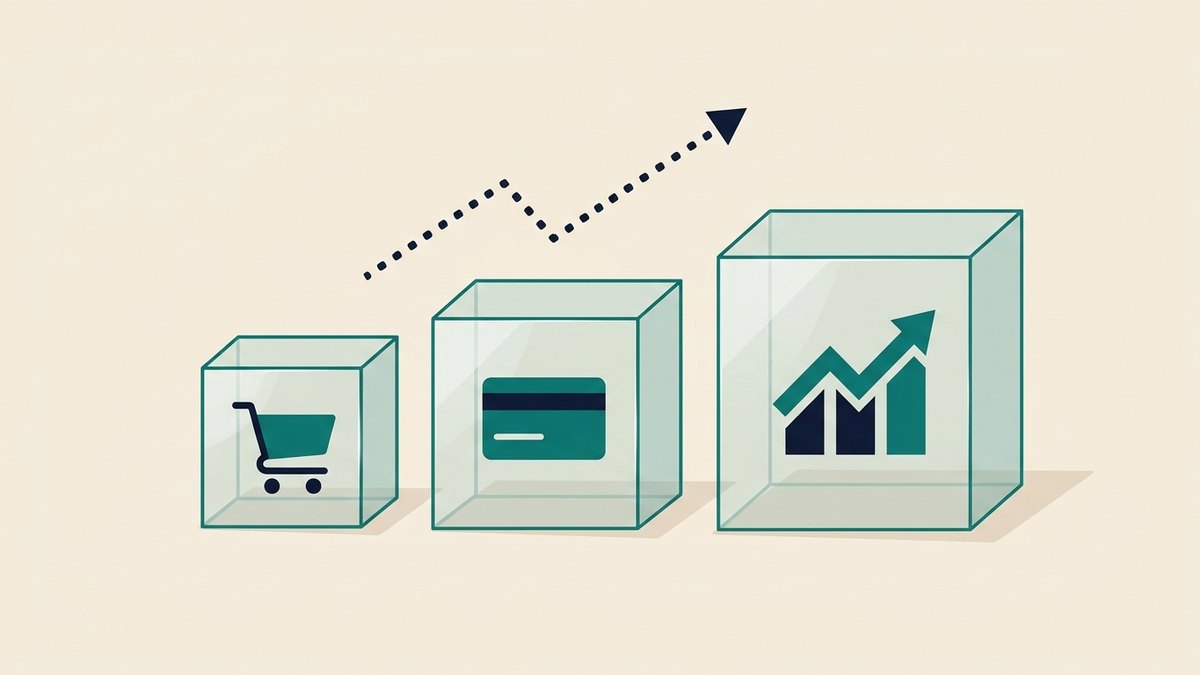
What each plan actually adds
Basic: start with no invoice
The free plan gives you a real storefront: products, orders and customers without a published cap, discount coupons, customer reviews, and discounted shipping labels through Salla's partners. That is enough if you sell through WhatsApp and collect cash on delivery or a bank transfer.
What it typically lacks: direct online card payment inside the store, a custom domain, and some growth tools. This is where most merchants get caught — they take 30 orders in month one and then have to upgrade because a customer wants to pay by card.
Plus: where most merchants end up
For SAR 99 a month (SAR 990 a year) you unlock what makes a store a store: online payments, a custom domain in your brand name, local and international shipping, all product types including digital goods, and the Salla Point app for physical branches.
A practical rule: if your average order is SAR 150 or more and you sell ten orders a month, Plus pays for itself in two days. The problem is never the SAR 99 — it is paying it before you know the product sells.
Pro: when the store becomes a company
SAR 299 a month (SAR 2,990 a year) buys what an organised business needs: VAT enabled inside the store, multiple staff accounts with separate permissions, CSS and JavaScript customisation, and accounting integrations.
This plan is not for ambition, it is for obligations. If you are VAT-registered or you have three people handling orders, Pro saves you hours every week.
The costs that never appear in the pricing table
This is where most merchants get their first surprise. The subscription is the smallest line on the bill:
- Payment gateway fees: a percentage of every sale, plus a small fixed fee on some transactions. Mada cards are cheaper than credit cards.
- Shipping: either baked into your price or taken from your margin. This is the biggest line beginners forget.
- Domain: SAR 50–100 a year unless you stay on a free subdomain.
- Themes and apps: some templates and apps in Salla's app store are billed monthly.
- Ads: not a platform fee, but the first thing cut when the budget tightens in month two.
A worked example: a small store doing 20 orders a month
Average order SAR 200, so SAR 4,000 in monthly sales. Assume gateway fees of roughly 2.5% plus SAR 1 per transaction — about SAR 120 a month:
| Line | On Basic | On Plus |
|---|---|---|
| Subscription | 0 | SAR 990 a year |
| Payment fees | 0 if cash on delivery only | ~SAR 1,440 a year |
| Custom domain | Not available | ~SAR 70 a year |
| Year one total | ~SAR 70 (no online payment) | ~SAR 2,500 |
The conclusion is neither “Plus is expensive” nor “Basic is enough”. It is this: Basic works until online payment becomes a condition from your customer. In Saudi Arabia today, plenty of buyers will not trust a store that does not accept Mada or cards — and that alone justifies upgrading in month two, not month one.
When a free plan is genuinely enough
- You sell one or two products and are still testing demand.
- Your customers prefer cash on delivery or bank transfer — common for gifts and local goods.
- You sell through Instagram and TikTok, and the store is mainly a checkout page.
- You do not need a custom domain yet.
That is exactly the stage The Zum was built for: a complete store with no subscription and no commission on sales, with payments and shipping connected from day one. Your money lands in your own account. The question to ask yourself is not “which plan is cheapest?” but “how much of every sale will I hand to the platform in year one?”
When upgrading is worth it
| If this is true | Move to |
|---|---|
| Customers ask for card or Mada payments, or you want your own domain | Plus |
| You are VAT-registered, have staff, or need code customisation | Pro |
| You are opening branches and need point-of-sale tied to the store | Plus or Pro |
| The product is still being tested | Stay on Basic |
Frequently asked questions
Is Salla Basic really free forever?
Yes — no monthly fee according to the plans page. But “free” does not mean no cost: gateway fees, shipping, domains and apps are billed separately and can easily exceed the subscription.
Can I upgrade from Basic to Plus later?
Yes. Upgrades are immediate and your products, customers and orders stay where they are. You never rebuild the store.
Does Salla charge commission on sales?
Salla does not advertise a sales commission on its core plans; the difference shows up in the payment gateway's own fees. Platforms that do charge a percentage take it straight out of your margin, which matters more as volume grows.
Which is cheaper: Salla or a free platform?
If you do not need the extra tooling, a free platform can cost you nothing at all. The honest comparison is in our guide to what a store really costs and in The Zum vs Salla.
Sources: Salla's plans page and help centre (in-app pricing), plus seasonal discount announcements. Figures are indicative as of October 2026 and may change — check the official page before subscribing.